National Mango Day

More than 500 named mango varieties exist worldwide, descended from a single tree species that has been cultivated in South Asia for over 4,000 years, longer than most of the world’s staple crops have carried their modern names. National Mango Day, marked every 22 July on the American food-observance calendar, gives that history a single date to celebrate.
Origin
National Mango Day belongs to the long-running, loosely regulated tradition of American food observance days, many of which trace to industry trade associations, food brands or newspaper columnists rather than any legislative act or formal governing body. The National Mango Board, an American trade organisation representing mango producers and importers, promotes the day as part of its broader mission to build consumer awareness of a fruit that, unlike apples or bananas, still requires active marketing to establish itself as a mainstream American grocery staple rather than an occasional specialty purchase.
The date sits in the height of the Northern Hemisphere’s peak mango import season, when fruit from Mexico, the single largest supplier of mangoes to the United States, along with Peru, Ecuador and Brazil, reaches American markets in its greatest volume and quality, making late July a sensible commercial choice for a promotional day regardless of any specific historical event the date might otherwise mark.
History
The mango’s cultivation history stretches back further than nearly any other major fruit crop still grown today. Botanical and archaeological evidence places the mango’s domestication in the region spanning modern India and Myanmar at least 4,000 years ago, with wild ancestors of the species native to that area for millions of years before human cultivation began. Ancient Indian texts reference the mango repeatedly, and Buddhist tradition holds that the Buddha once received a mango grove as a gift, reflecting the fruit’s deep symbolic status across South Asian religious and cultural traditions long before it reached the wider world.

The fruit’s spread beyond South Asia followed established trade and conquest routes over many centuries. Persian traders and later Islamic expansion carried mangoes into the Middle East and parts of Africa, while Portuguese explorers and colonists introduced the fruit to Brazil and other parts of the Americas in the sixteenth century, having first encountered it during their trading presence in India. The word “mango” itself likely derives from the Tamil word “mankay,” passed into Portuguese as “manga” and from there into English and other European languages, a linguistic trail that tracks the fruit’s actual historical route to the West fairly closely. That linguistic chain is unusually well documented compared with many loanwords of similar antiquity, giving etymologists a rare case where a fruit’s name can be traced through three distinct language families to its point of origin with reasonable confidence.
Commercial mango cultivation in the United States began in earnest in Florida in the nineteenth century, though the American market for imported mangoes only grew substantially in the latter half of the twentieth century as refrigerated shipping and air freight made it practical to transport a highly perishable tropical fruit across long distances while it remained sellable. India remains by far the world’s largest mango producer today, though the vast majority of that output is consumed domestically rather than exported, meaning the fruit most Americans and Europeans encounter in supermarkets typically originates from Latin American producers whose industries developed specifically to serve export markets.
Florida’s early mango industry owed much to a handful of specific introductions in the late nineteenth century, including the Haden variety, developed from a seedling planted in Coconut Grove in the 1900s and named after the family that grew it, which went on to become one of the parent varieties behind many of the commercial cultivars grown across the Americas today. Florida’s own commercial mango production later declined relative to Mexico and other Latin American producers as land prices rose and urban development consumed much of the citrus and fruit farmland that had once supported the industry, though smaller specialty growers persist in the state to this day.
Importance
The mango holds official national status in three countries: it is India’s national fruit, Pakistan’s national fruit as well, and the Philippines’ national tree, reflecting how deeply the plant is woven into the cultural identity of the regions where it has been cultivated longest. Few fruits carry that level of formal symbolic status in more than one nation simultaneously, and National Mango Day, however commercially motivated its American origins, taps into a genuine and much older global significance the fruit already carried.
Nutritionally, the mango is a notably rich source of vitamin C and vitamin A, and its popularity has grown substantially in Western markets over recent decades as consumer interest in tropical and “superfruit” produce has expanded grocery store offerings well beyond the narrower selection available a generation ago. That growth has made the mango an increasingly significant crop for producing countries’ export economies, particularly in parts of Latin America and West Africa where mango cultivation has expanded specifically to serve rising international demand. West African producers, including Mali, Burkina Faso and Côte d’Ivoire, have built a growing dried-mango export trade in particular, targeting European snack markets with a shelf-stable product that avoids the spoilage risk and shipping cost associated with fresh fruit, and that trade has become an increasingly important source of rural income in parts of the region with few other reliable export crops.
How It’s Celebrated
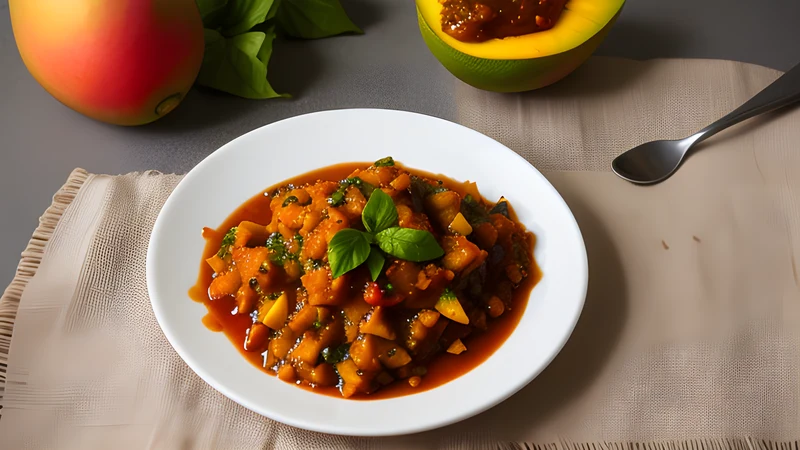
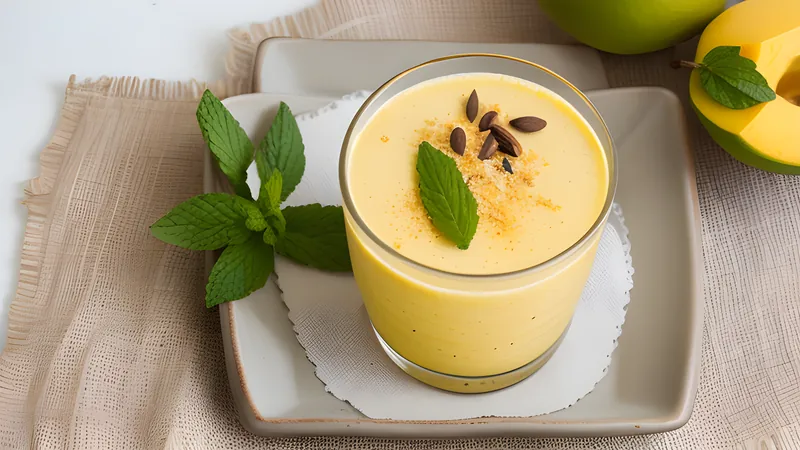
In the United States, National Mango Day is marked mainly through retail and food-service promotion: grocery store discounts, recipe features from food media, and social media campaigns from the National Mango Board encouraging home cooks to try the fruit in unfamiliar preparations beyond simply eating it fresh, including salsas, smoothies, chutneys and grilled preparations that showcase the fruit’s ability to hold up to heat.
Restaurants, particularly those specialising in Latin American, South Asian or Southeast Asian cuisine, sometimes run mango-focused specials tied to the date, while food bloggers and recipe websites see a reliable annual spike in mango-related content published around 22 July, timed deliberately to capture search interest generated by the observance. Farmers’ markets in regions with any local mango production, including parts of Florida, Texas and California, often use the date to promote whatever late-summer stock remains available locally, distinguishing it from the imported fruit that dominates supermarket shelves for most of the rest of the year.
World Variations
Because the mango’s cultural significance in South Asia vastly predates any American promotional calendar, celebrations tied to the fruit elsewhere in the world follow entirely different traditions and timing. India hosts numerous regional mango festivals timed to local harvest seasons rather than a fixed calendar date, some running for weeks and showcasing dozens of regional varieties, including the prized Alphonso, often described as the “king of mangoes” for its rich, non-fibrous flesh and intense aroma.
The Philippines similarly treats the mango, particularly its own Carabao variety once listed in some assessments as among the sweetest in the world, as a point of national pride rather than a once-a-year novelty, with the fruit featuring prominently in everyday cuisine year-round rather than being reserved for a single promotional occasion.
Traditions and Symbols
The mango’s most distinctive symbol, and the one that most reliably separates novice and experienced eaters, is the pit: a large, flat, fibrous stone running through the fruit’s centre that makes clean slicing genuinely difficult without practice. The “hedgehog” cutting method, scoring the flesh into a grid before pushing it inside out, has become a widely shared visual shorthand for mango preparation, particularly in food media aimed at introducing the fruit to unfamiliar cooks.
Fun Facts
India produces roughly half of the world’s total mango supply, yet exports only a small fraction of it, since domestic demand within the country consumes the overwhelming majority of the harvest.
The Alphonso mango variety, among the most prized in the world for its flavour and texture, has a growing season lasting only a few months each year, which restricts its export availability and drives premium prices even within India itself.
Mango trees can live and bear fruit for well over a hundred years, and some individual trees in South Asia are documented to be several centuries old, still producing fruit annually.
Unripe mangoes are used extensively in South and Southeast Asian cuisine specifically for their tartness, appearing in pickles, chutneys and salads long before the fruit reaches the sweet ripeness Western consumers typically expect.
The mango belongs to the same plant family as the cashew and the pistachio, a relationship that explains why some individuals allergic to those nuts also react to mango skin, which contains a related irritant compound.
A single well-managed mango tree in a favourable climate can produce several hundred fruits in a single good season, making it, weight for weight, one of the more productive fruit trees a smallholder farmer can plant.
A Closing Reflection
A fruit cultivated for four millennia, carrying formal national symbolism in three countries and cultivated across more than a hundred more, hardly needs an American trade board’s promotional calendar to justify its place in the world’s diet. National Mango Day simply offers one more occasion, among the many the fruit already has elsewhere, to notice what has been worth celebrating all along.
Two more fruit-focused days worth trying: National Avocado Day covers another tropical fruit that took decades to win over the American market, and US National Watermelon Day marks a very different but equally beloved summer staple.
Cook for it
Read next


